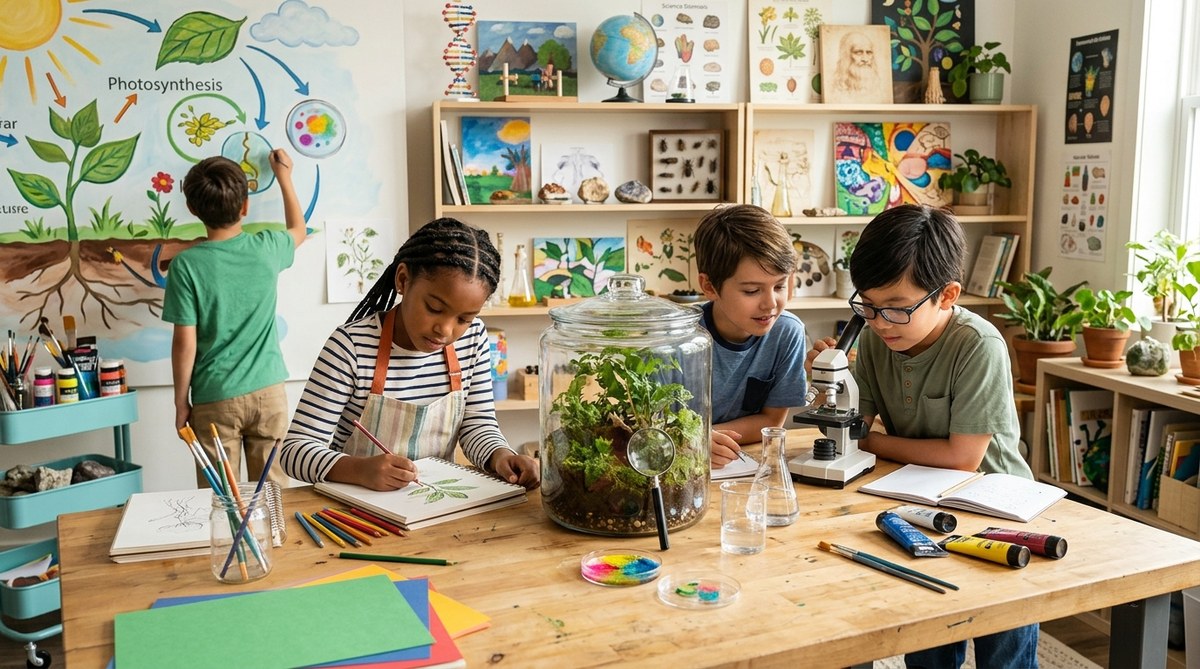
A third-grade student holds a magnifying glass over a sprouting bean seed. On the desk beside her, a watercolor sketch captures the exact curl of the root and the faint purple veins in the cotyledon. …
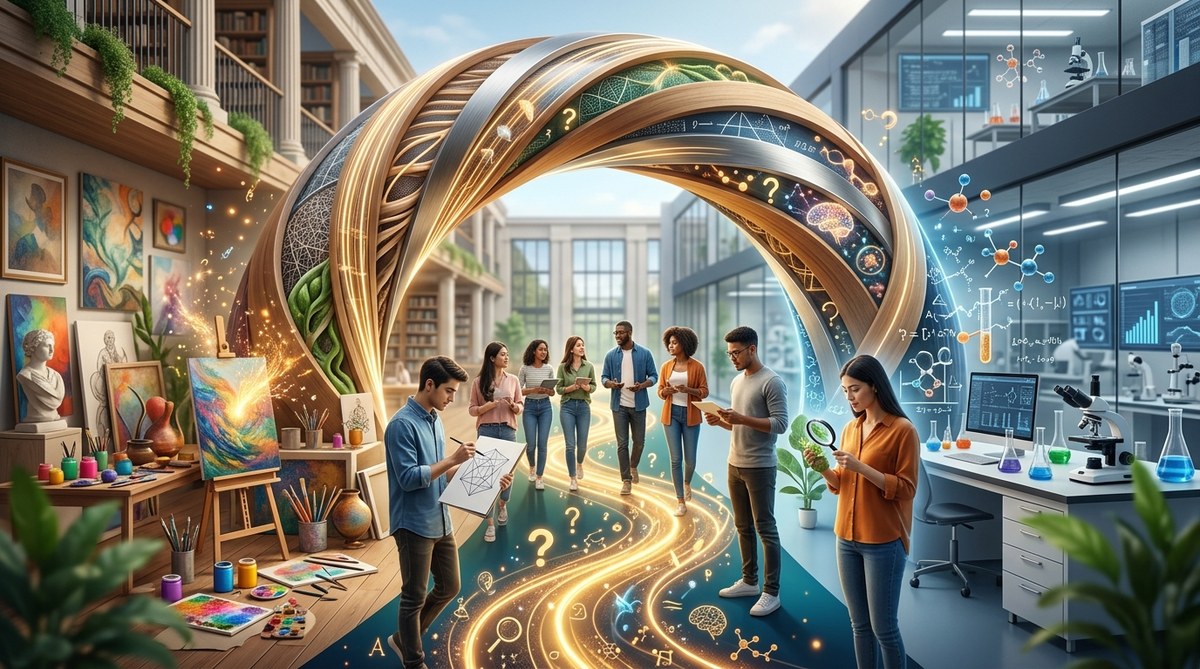
Why Curiosity-Driven Learning Is the Ultimate Bridge Between Art and Science
Picture a classroom where students aren’t just memorizing formulas or copying paintings. They’re asking their own questions. They’re mixing pigments to understand chemical reactions, or using geometry…
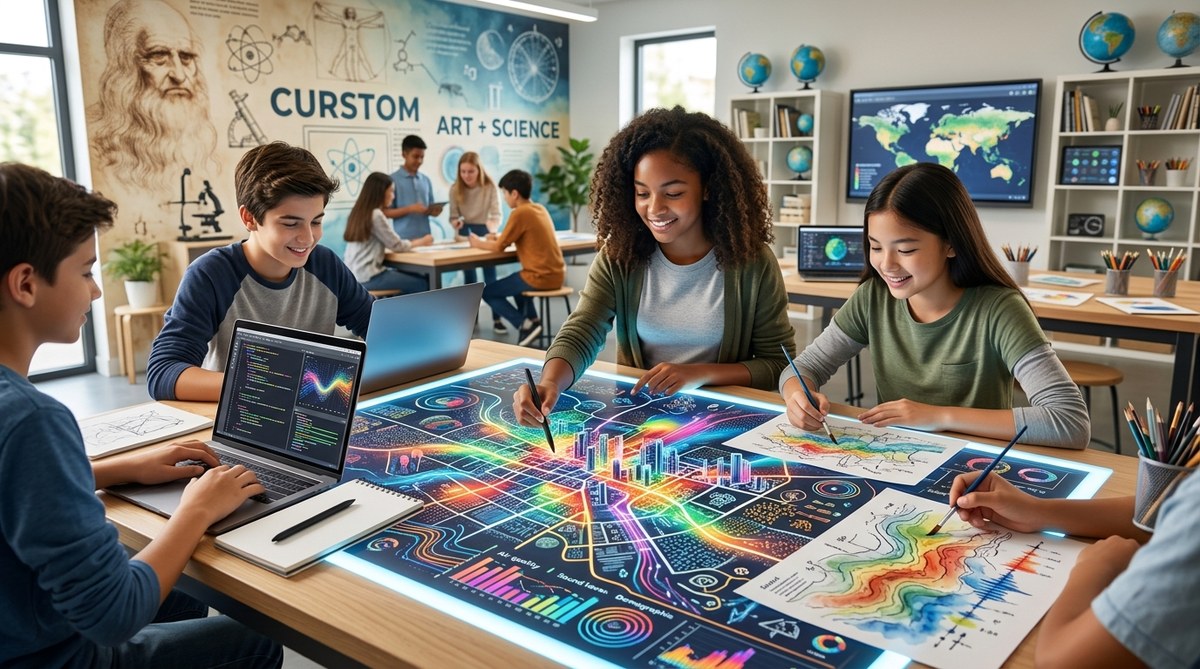
Map the Invisible: How Cartography Fuses Data Science and Visual Art in the Classroom
Maps are everywhere. We use them to navigate cities, track weather patterns, and visualize election results. But a map is more than a tool for getting from point A to point B. It is a story told in sh…
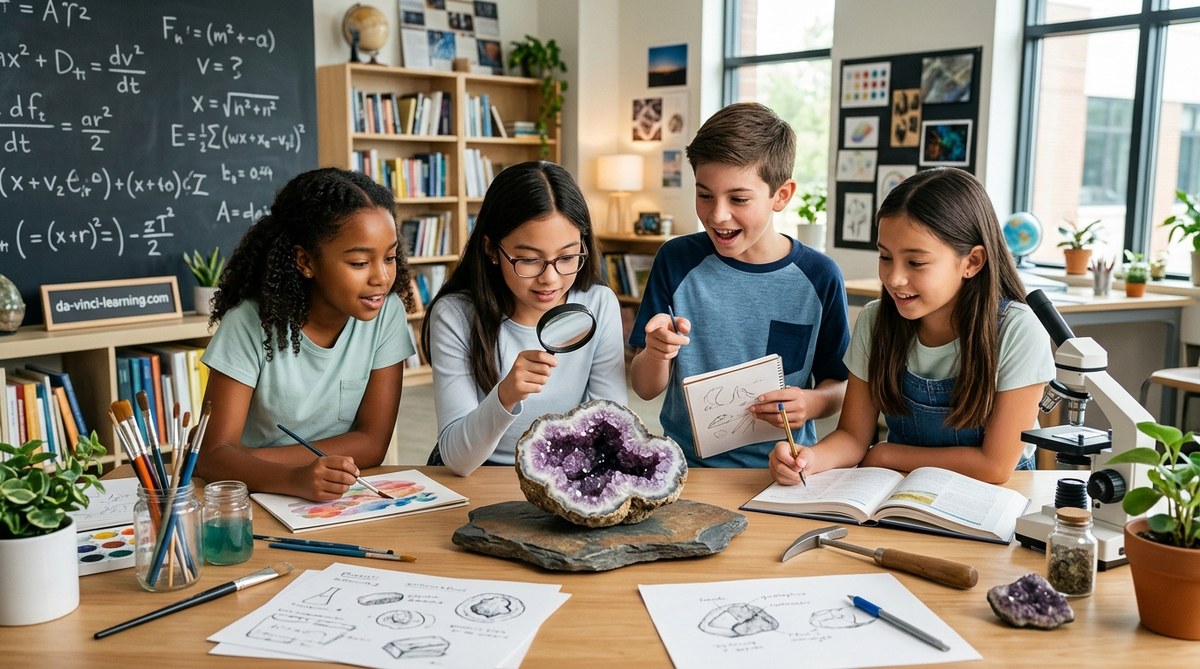
Why the Best Interdisciplinary Classrooms Start With a Single Provocation
When a single object lands on a classroom table, it can change everything. A dried sunflower head. A worn-out shoe. A cracked ceramic bowl. Students lean in. They start asking questions. Where did thi…
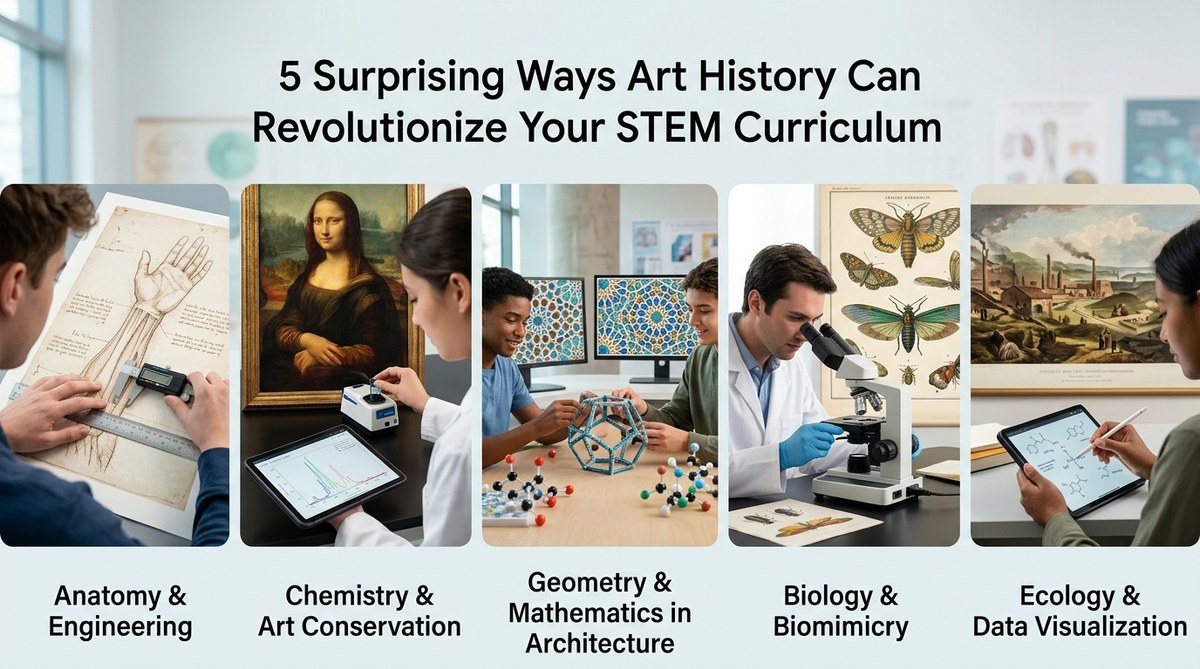
5 Surprising Ways Art History Can Revolutionize Your STEM Curriculum
When you picture a STEM classroom, your mind probably lands on beakers, circuit boards, or rows of calculators. It does not usually land on a Renaissance painting or a Greek sculpture. But the most me…

How to Turn Student Questions Into Interdisciplinary Research Projects in 2026
A student raises her hand and asks a question that stops the lesson cold. Maybe it is about why the sky changes color at sunset, or how a musician can make a listener feel sadness without using words….
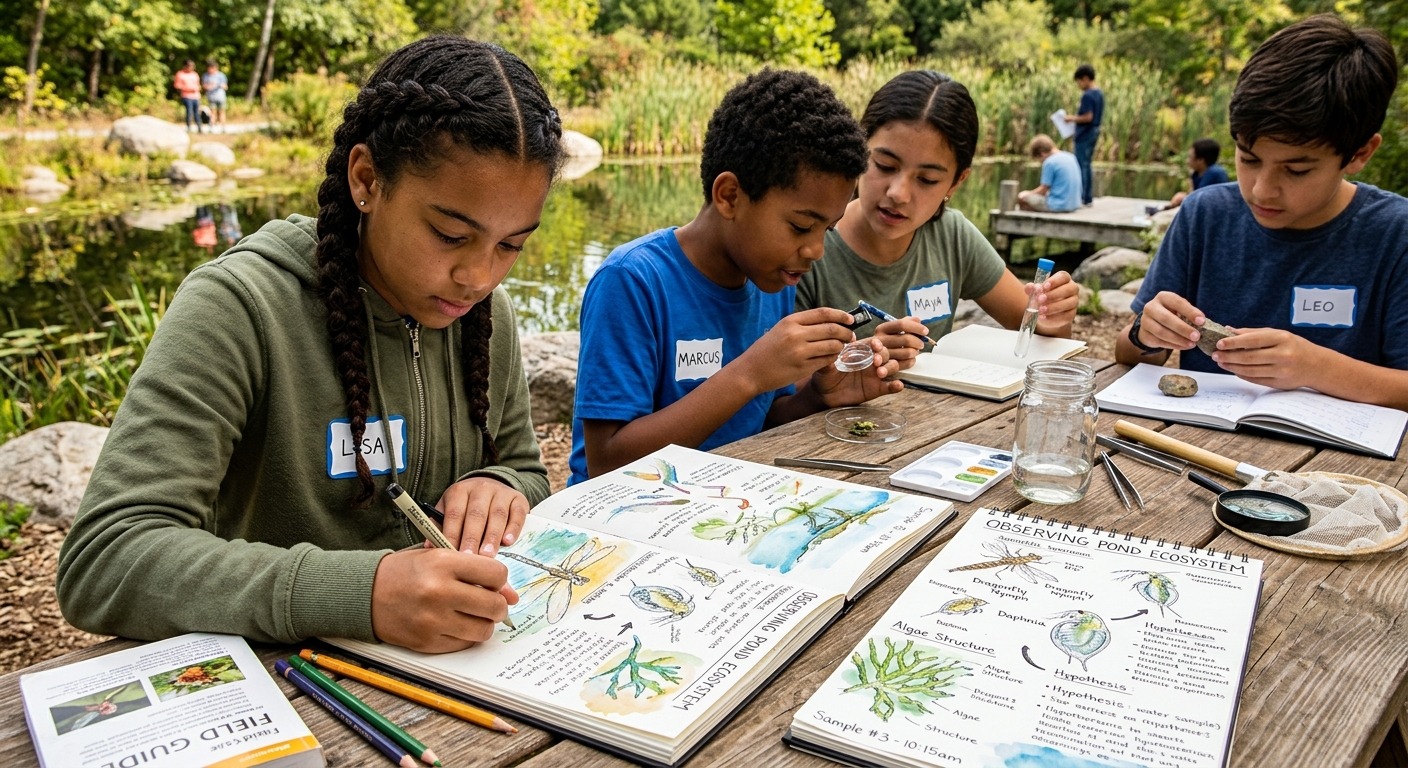
How Art Sketchbooks Deepen Student Thinking in Science Investigations
Learn how pairing observational sketchbook drawing with verbal think-alouds deepens student science reasoning. Includes a 5-day unit outline and rubric.
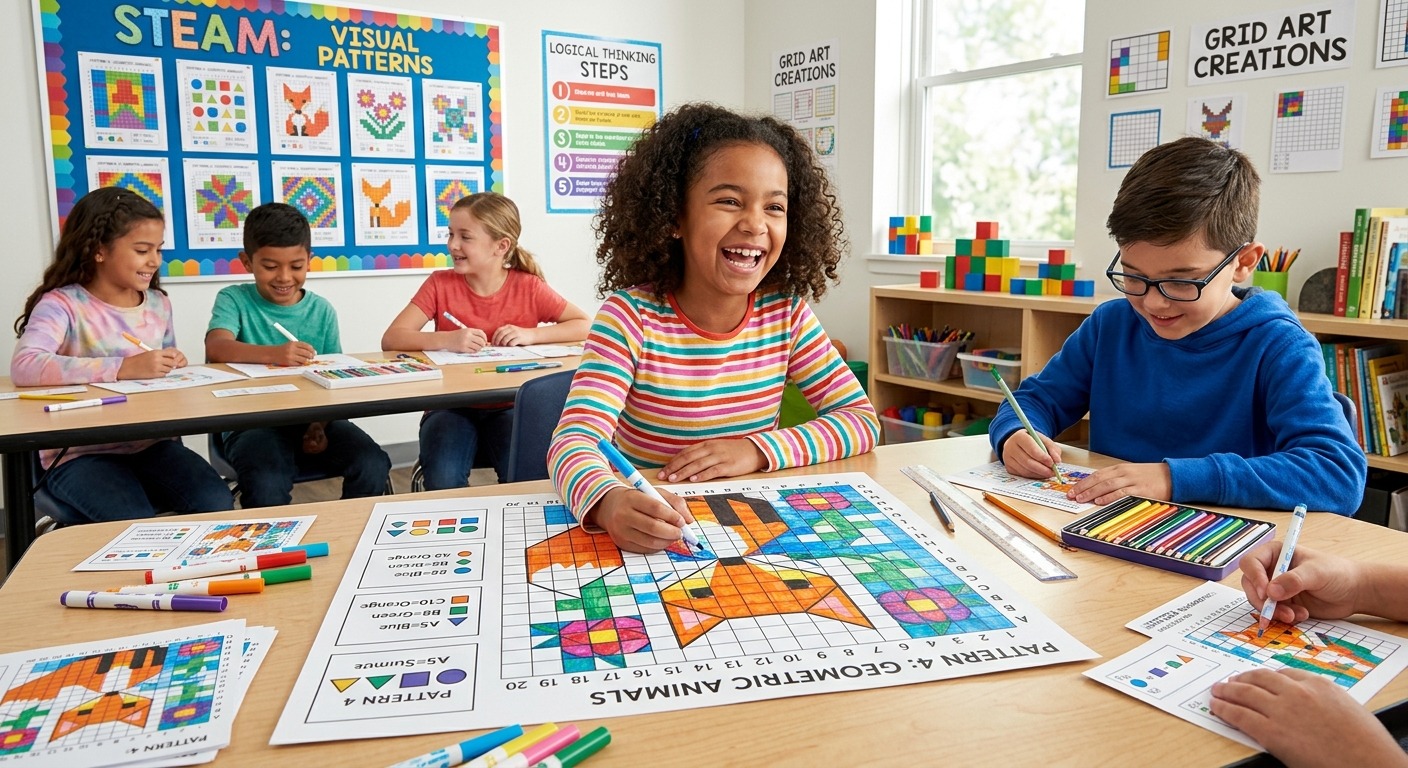
Teaching Visual Patterns and Logical Thinking With Grid Art in STEAM
Help students connect math logic to visual art with a two-part STEAM lesson pairing Sudoku warm-ups with pixel art and mosaic grid projects.
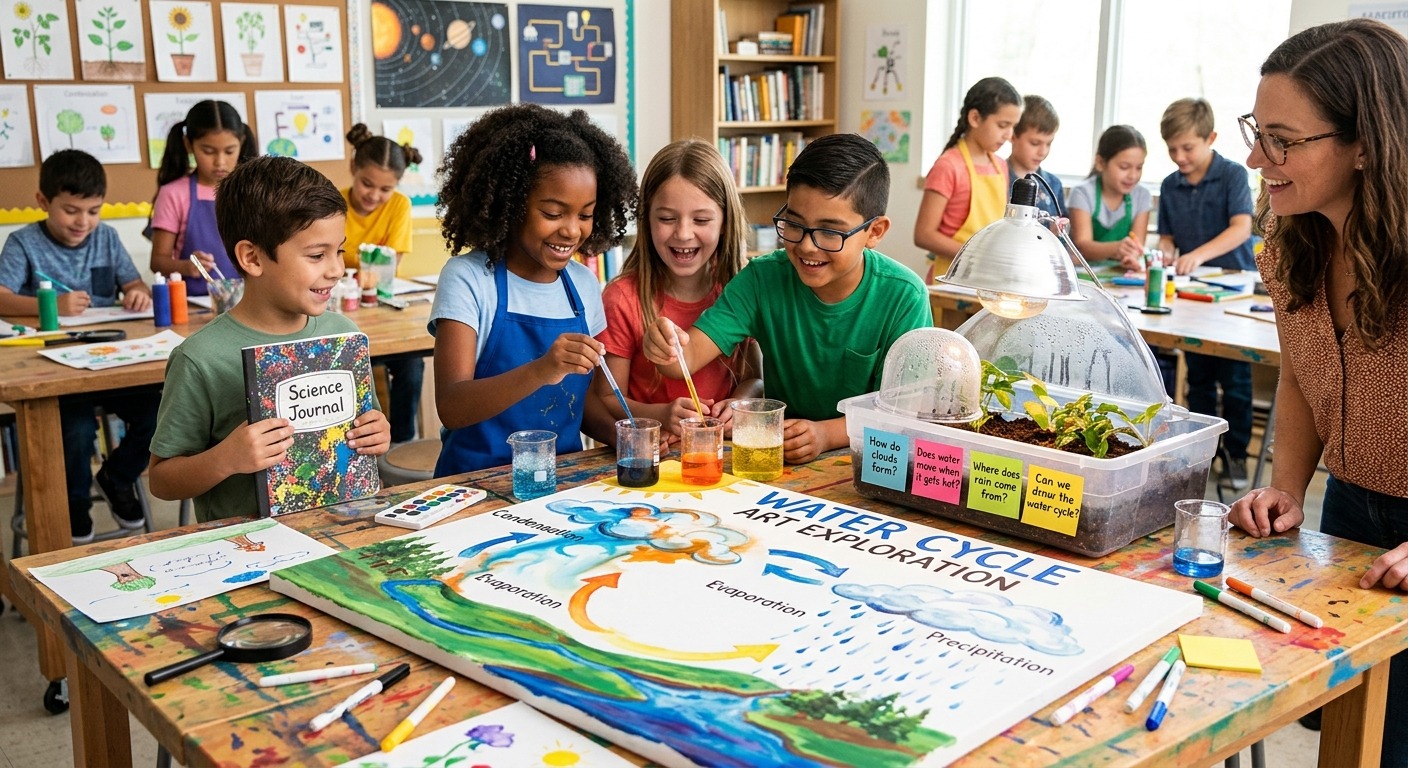
Running Art-Integrated Science Lessons Built Around Student Questions
A classroom-tested inquiry cycle where students generate science questions and express findings through art. Grade-band adaptations and a rubric included.
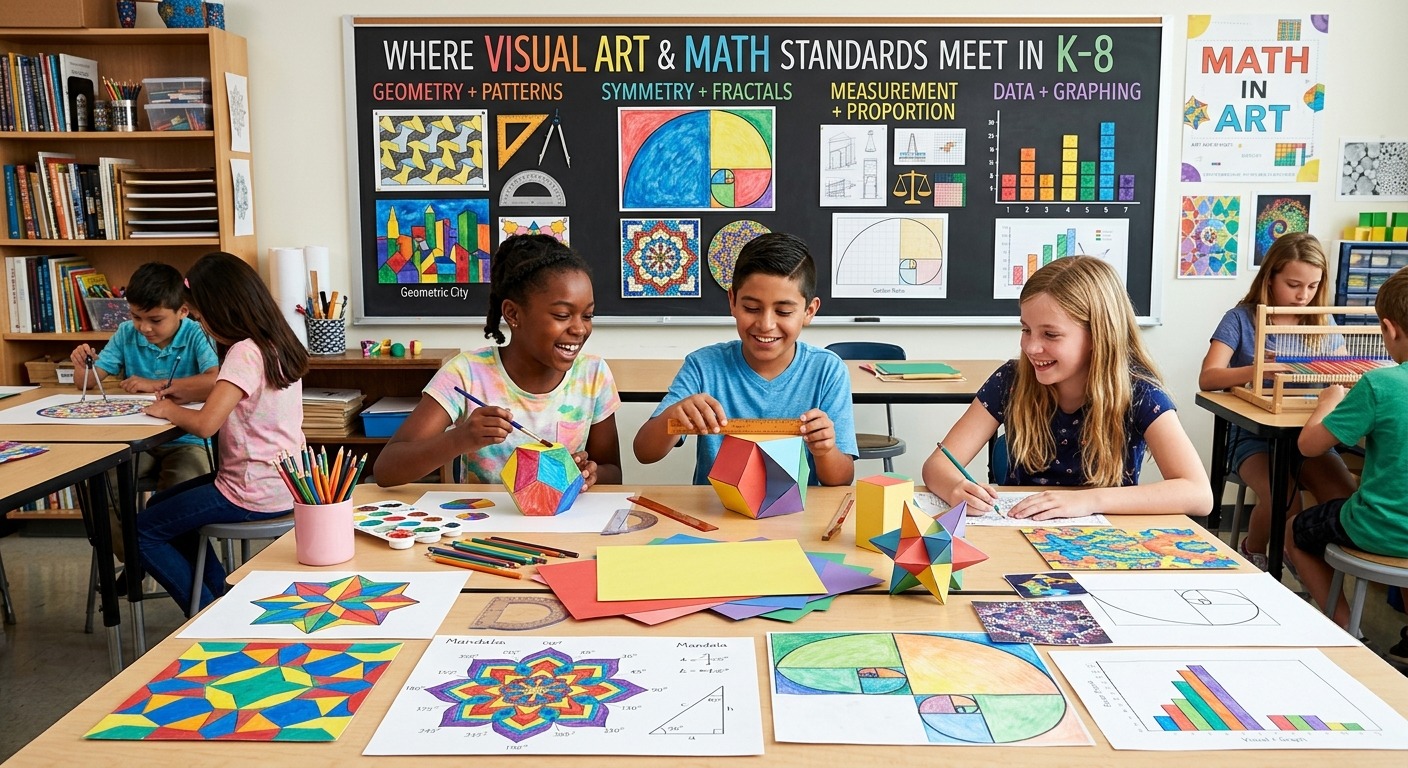
Where Visual Art and Math Standards Meet in the K-8 Classroom
See how geometric pattern design, tessellations, and proportion-based portraiture bring K-8 math standards to life in hands-on studio art projects.