You are standing in a museum gallery. A painting hangs before you, and you feel something. Maybe it is the mood, maybe the colors, maybe the way the light hits a single figure. But what is actually ha…
Why Combining Art and Science Unlocks Deeper Student Engagement Than Any Single Subject
When a student sketches a leaf before labeling its cellular structure, something shifts. The leaf is no longer just a diagram in a textbook. It becomes a living subject of study, one the student has o…
Why Pairing Poetry with Physics Creates Deeper Understanding for Students
The best physics teachers I have known do not just explain equations. They tell stories about falling apples, about light bending around a star, about the hum of a vibrating string. And the best poets…
How to Use Everyday Objects to Spark Interdisciplinary Inquiry in 2026
A paperclip sits on your desk. A coffee mug. A single shoe. Most of us see these items and think nothing of them. But for an educator trained in interdisciplinary inquiry, every object is a gateway. T…
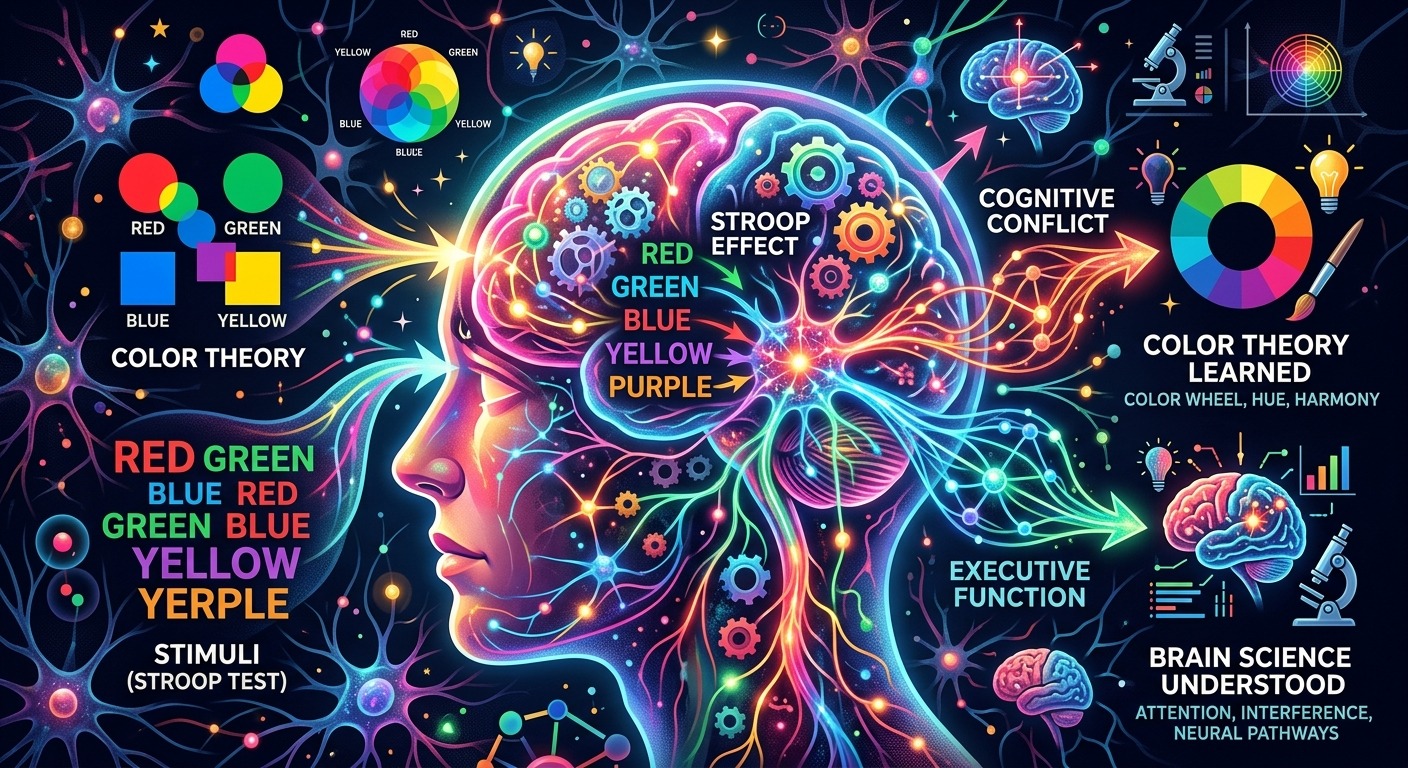
Teaching Color Theory and Brain Science Through the Stroop Effect
Teach color theory and brain science together using the Stroop Effect. A two-period STEAM lesson K-12 teachers can run immediately.
Turn Your Classroom Into a Living Lab With These 5 Interdisciplinary Experiments
Picture a classroom where students measure plant growth during a biology unit, then graph the data in math class, and finally paint watercolor studies of leaf structures in art. That kind of cross-cur…
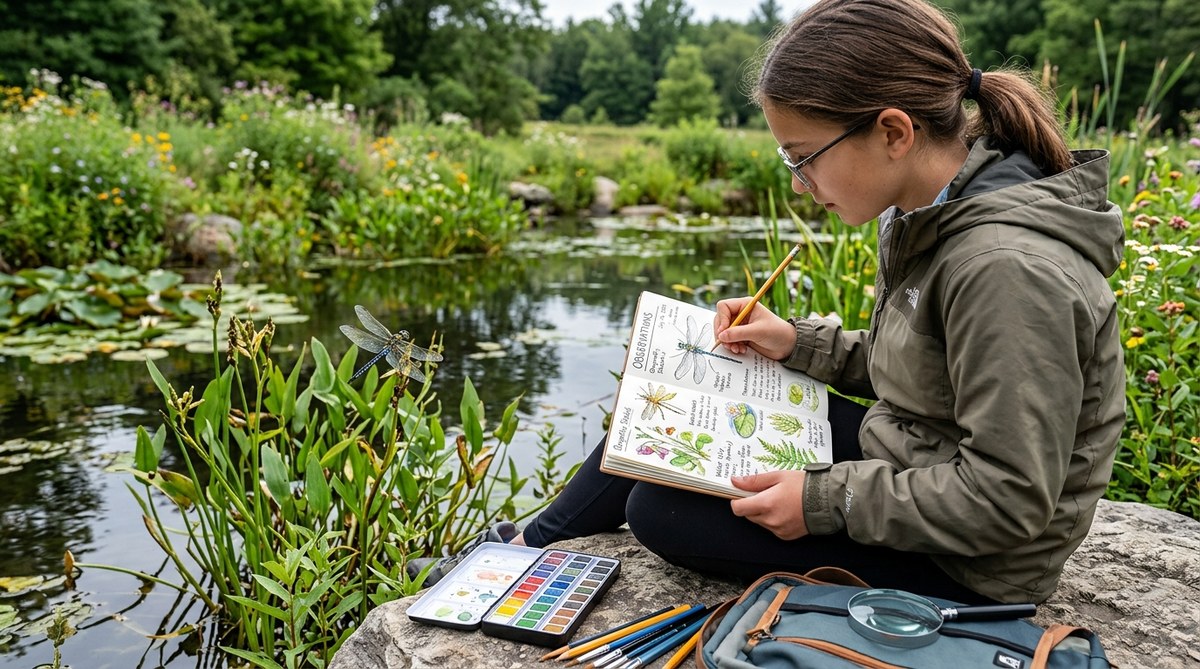
How to Use Visual Journaling to Strengthen Scientific Observation in Any Grade
A fourth-grade student stares at a leaf for three seconds, writes “it is green,” and calls it done. That is not observation. That is glancing. Real scientific observation demands patience, detail, and…
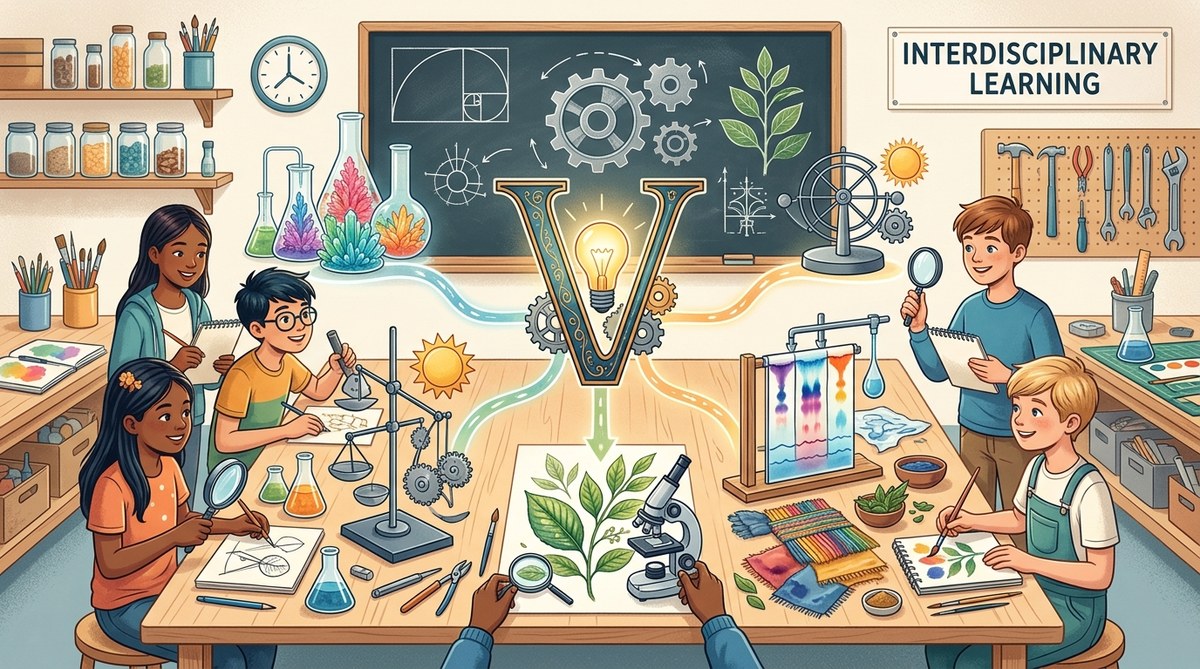
5 Inquiry-Driven Projects That Turn Everyday Phenomena Into Artful Science Lessons
A third grader watches a puddle disappear from the playground blacktop. A middle schooler notices the way her shadow stretches long at sunset and shrinks at noon. A high school student wonders why the…
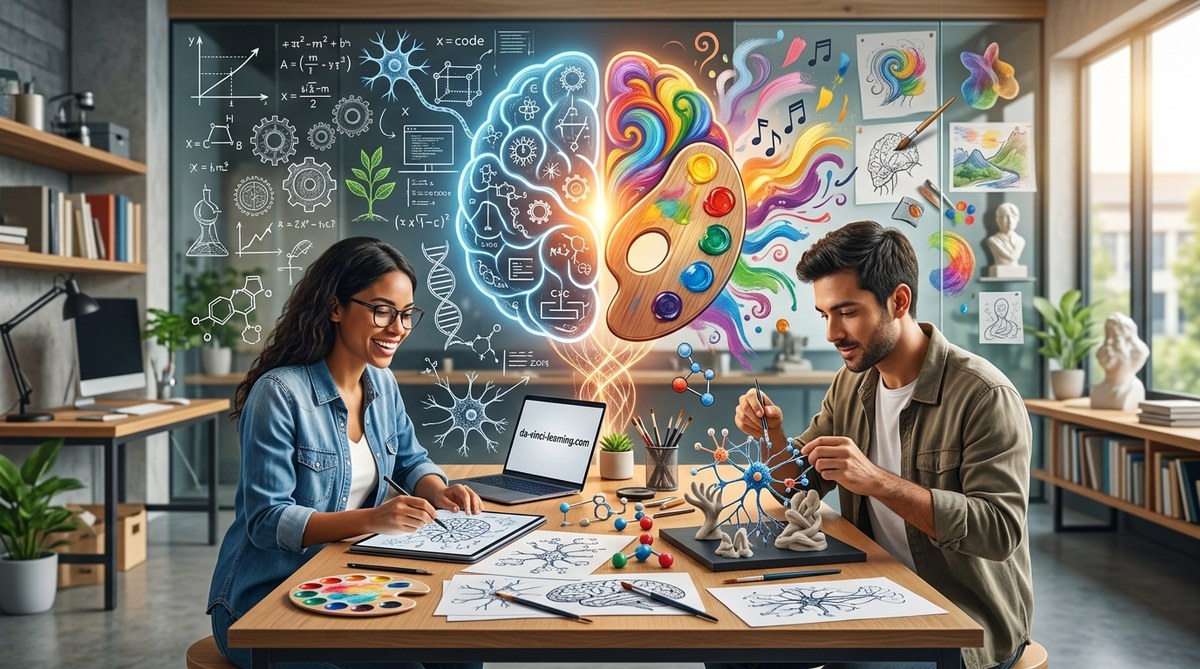
Why Your Brain Learns Better When Art and Science Share the Spotlight
Your brain is not a single-purpose machine. It is a network of systems that talk to each other constantly. When you study biology from a textbook, certain pathways light up. When you sketch a cell fro…